This story was originally published by MinnPost, an independent, nonprofit newsroom that produces thoughtful, in-depth journalism about civic and cultural affairs impacting Minnesota.
By Jerry Burnes
BIWABIK — A portion of the Mesabi Trail through Biwabik typically had no natural water flow near it.
That was until heavy rains washed out a gaping hole several feet deep into ground, exposing utility lines and disrupting fresh water to nearby homes, businesses and resorts.
The mid-June rainstorms across the Iron Range region, totaling more than 6 inches in some areas, wreaked havoc for submerged homeowners and communities, and scattered emergency managers across the map.
Rapid flooding also issued a new challenge to the tourism industry in Minnesota’s Arrowhead during one of the prime summer months, following a mild winter that already disrupted business as usual.
“Folks have heard the news of what happened over here and decided to vacation elsewhere,” said Fred Seymour, general manager of Giants Ridge, which houses permanent residents, vacation rentals, two golf courses, two restaurants, trails and more in Biwabik. “It’s obviously a concern to the businesses here and the lodging partners that we have.”
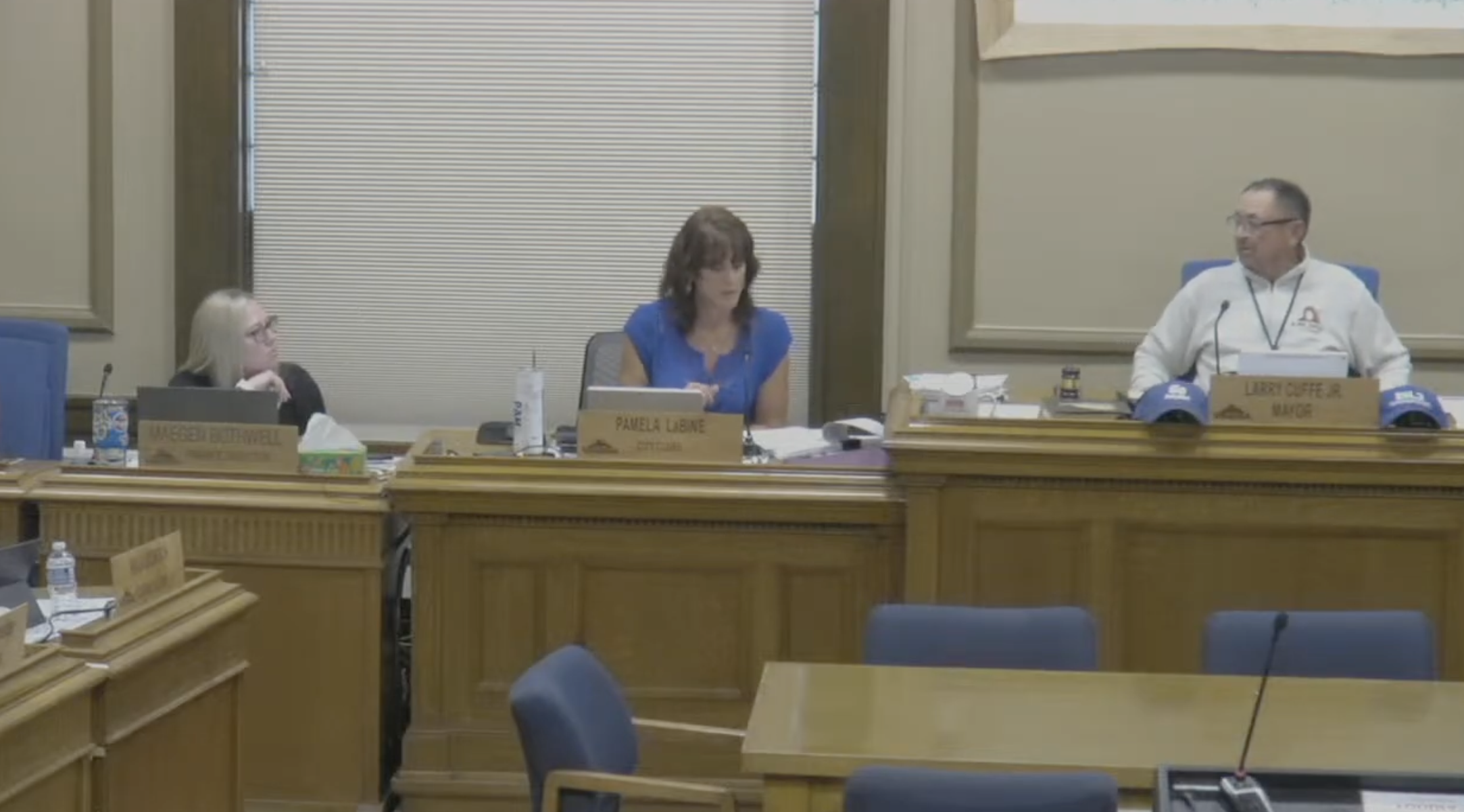
Seymour addressed a June 21 city council meeting attended by Minnesota Gov. Tim Walz as he toured damaged areas. Giants Ridge closed The Legend golf course and Burnt Onion restaurant for multiple days due to flooding and a boil order that stemmed from the fresh water break.
“You can hear their urgency, the folks at Giants Ridge,” Walz said. “This is peak tourism time.”
As of June 27, the restaurant was operational after the city of Aurora routed fresh water to its neighbor, but only the front nine holes of The Legend had reopened, while the mountain bike park and trails varied in damage and estimated repair timelines.
On the Mesabi Trail, a 150-mile paved path that winds through the forests, waters and mine landscapes from Ely to Grand Rapids, washouts and collapses have closed a number of sections.
Most of the trail remained open, some with minor debris and rocks spread on the surface, while organizers planned potential detour routes around the heavier damage, without a clear timeline for repairs.
“It could be a couple years, not just this summer,” said Beth Pierce, executive director of the Iron Range Tourism Bureau. “It’s just unfortunate. Giants Ridge has some of the prettiest sections, so it’s a bummer that it won’t be open.”
About 18 miles north, the state Department of Natural Resources suspended tours at the Lake Vermilion-Soudan Underground Mine State Park after lightning disabled its water pumps and about 7 feet of water filled the 27th level, completely engulfing the passenger train used to transport visitors 2,341 feet under the surface.
Underground mine tours reopened to much fanfare in late May after a four-year hiatus due to the COVID-19 pandemic and an extensive remodel. Surface tours are being offered in the interim.
DNR officials estimated it would take two or three weeks to pump water from level 27 and another week or two to assess the mine. The state is targeting July 23 to reopen the underground portion, but it “may be longer depending on what kind of damage we find,” said DNR spokesperson Cheri Zeppelin.

Weather has delivered a painful one-two punch to the Iron Range tourism industry so far in 2024, fronted by an unusually mild winter that produced low snowfall totals and followed by the varied flood impacts that remain unmeasurable in some areas.
Occupancy rates across northern Minnesota, excluding Duluth, were down about 6% on average from November 2023 to May 2024, compared to the previous year, according to Hospitality Minnesota, the trade group that advocates for the industry.
Pierce, of the Iron Range Tourism Bureau, reported a lodging tax hit of about 20 percent in the first three months of the year in her region, which covers Hoyt Lakes to Hibbing.
“I sense that everyone was impacted, but it could have been a lot worse,” she said.
Pierce noted that Giants Ridge supplemented Mother Nature by making enough artificial snow to keep the ski hills open, host the high school nordic state competition and pick up events that other resorts across the state couldn’t host due to warmer winter temperatures.
Derek Lossing, owner of Lossing’s Power Sports in Babbitt, was among the business owners who have endured both seasonal impacts.
Snowmobile sales and rentals account for a large portion of Lossing’s activity, in addition to employing three mechanics in the shop. The lack of snow this winter hit them on both sides of the business as snowmobile sales lagged and 15 new rentals, worth about $180,000 total, sat in the garage all winter.
“If people aren’t riding, they aren’t breaking down or needing repairs,” he said. “And now I have all these brand new snowmobiles that, a year later, are still going to be brand new.”
Lossing said he started the season without too much inventory thanks to stronger fall sales through September, and reported selling more side-by-side vehicles in the winter than normal. He credited those factors and a loyal customer base in softening the blow, but summer brought its own challenges.
A heavy windstorm in May knocked over trees and closed some ATV trails in the Babbitt and Ely area, prompting cancellations, and a number of trails were washed out from June’s heavy rains. Those trails have reopened for the most part, he added, with some challenging conditions and low standing water in the mix.

“If you erase the last six or eight months, we have a lot of positives going on,” Lossing said. “Side-by-sides and snowmobiles are at peak popularity, and this part of the state is drawing more and more in. People are finding these small communities and visiting.”
As the tourism industry has continued to dry out and find silver linings, Pierce said the more widespread impacts to the Arrowhead have piled up as new damage reports came in and clean-up efforts continued for small businesses and communities.
Cook Mayor Harold Johnston, whose city was among the hardest hit by floods with several feet of standing water throughout its main downtown street, vowed that the tourist town would recover, “but it’s going to take time.”
In less than a week, Iron Range communities will hold their quintessential Fourth of July celebrations that have traditionally been a boon for downtown businesses. But instead of capitalizing on parades, street dances and fireworks, some small shops and communities seem likely to remain closed and still cleaning up.
“From a tourist perspective, there might be some inconveniences with trails being rerouted, for example, but they can still have a great experience here,” Pierce said. “That doesn’t mean that our communities aren’t faced with some big challenges. Cities, townships and the county are working hard to assess the damage and come up with solutions.”