A week ago, I watched the replay of a Gilbert City Council meeting where elected officials heard from their police chief about concerns he had around some recent crimes in town.
I was the only one who wrote on that meeting.
Months earlier, I watched the same council launch an investigation into its city clerk and discuss why they haven’t had an audit for almost three years. Again, I was the only one writing on it.
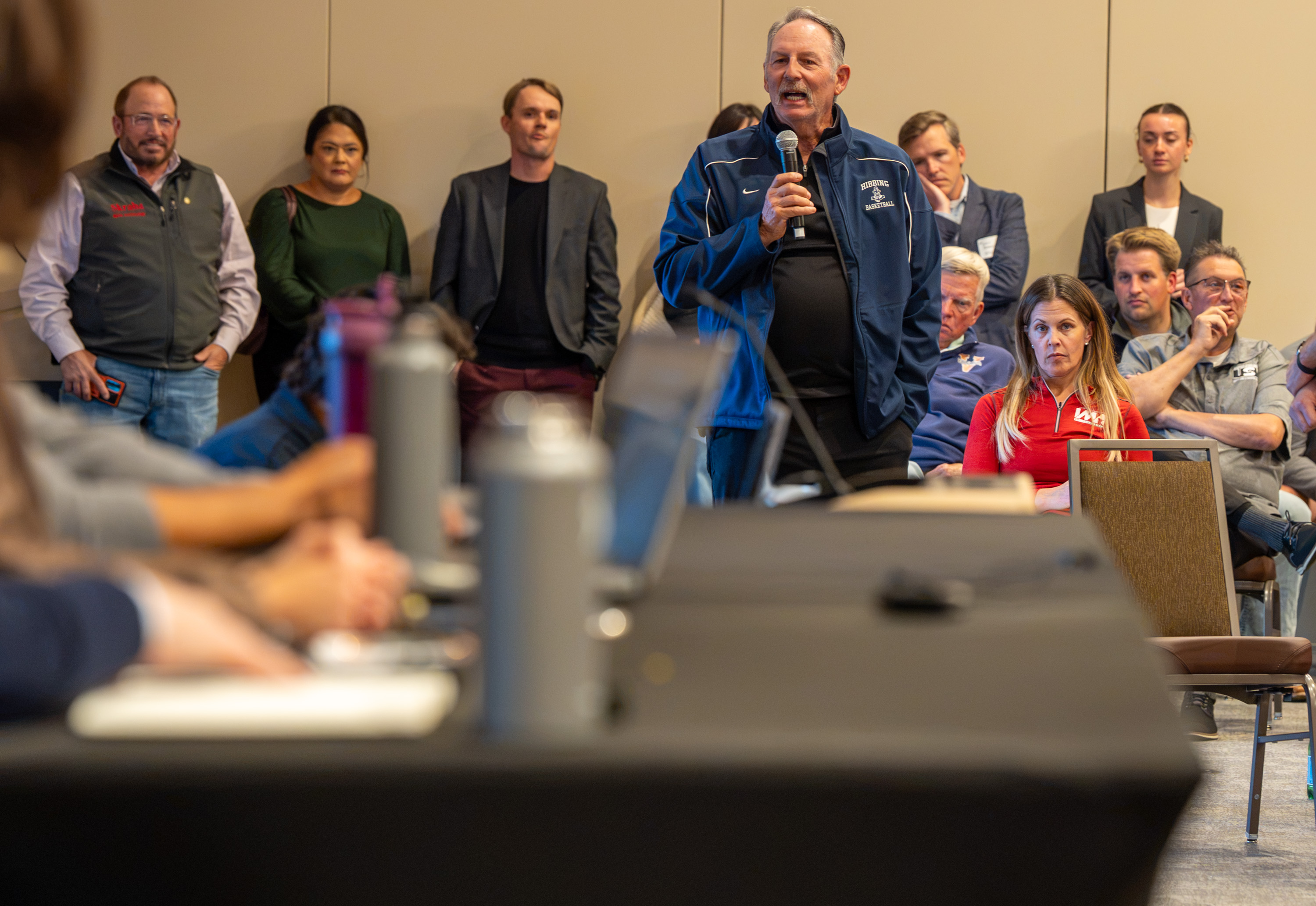
In city and school meetings across the Iron Range, they discuss millions of dollars in public spending. Those boards also address our community challenges head-on.
These decisions can affect residents for years. Taxpayers will help pay for them. Yet, often, only a handful of people are in the audience, so many do not know what happened.
That experience isn’t unusual. Increasingly, it is the norm.
Across the country, local news organizations have disappeared or shrunk. Researchers at Northwestern University’s Medill School found in their 2025 State of Local News report that newspaper closures continue, even as nonprofit and digital startups attempt to fill some of the gaps.
Here in Minnesota, the Minnesota Journalism Center reported that more than 12% of local news outlets have closed since 2018, while only about half as many new organizations have launched to replace them.
I know this first hand. I was part of the Mesabi Tribune leadership team that merged the Mesabi Daily News and Hibbing Tribune in 2020. I’ve since watched from afar as the news staff continued to shrink.
At the same time, Minnesotans say they still value local journalism.
A 2025 statewide survey commissioned by Press Forward Minnesota found that 62% of residents believe local news is very or extremely important to the well-being of their communities. Local news also remains the most trusted form of journalism, with 31% of Minnesotans saying they have a lot of trust in local news, compared with 17% for state news and just 10% for national news.
Increasingly, communities don’t see reporters covering public meetings. We think that’s worth changing.
That same survey found that only 31% of Minnesotans recalled seeing a journalist reporting from the community where they live during the past year, and only 20% remembered seeing a reporter who actually lives in their area presenting the news. In other words, people value local journalism not only for the information it provides, but because they know someone is there paying attention.
But the case for local government reporting isn’t just philosophical. It can be measured in dollars and cents.
A study published in the Journal of Financial Economics found that when newspapers close, governments pay more to borrow money. Municipal borrowing costs increased by 5 to 11 basis points after newspaper closures, costing communities an estimated $650,000 more each time bonds are issued. Researchers also found evidence of higher government wages, larger deficits and less efficient borrowing practices when local news oversight declines.
That’s not because reporters make governments spend less. It’s because someone is watching.
If you’ve been following the Virginia City Council lately, this is the type of information few people truly know unless they dig in themselves. And this is the stuff many heavily-involved community members don’t even know.
Most local officials work hard and care deeply about their communities. But government functions best when residents understand what is happening and why decisions are being made. Journalism helps bridge that gap.
So we’re going to spend more time at city halls and school board meetings.
How are we going to do that?
First, we’re going to capitalize on our membership with the Institute for Nonprofit News and its partnership with Civilio.ai. We are basically a one-person newsroom at Iron Range Today, and I have a full-time job and a family. I can’t be everywhere at once.
Civilio will help us address these constraints by transforming public meetings and records into searchable, verifiable information, enabling us to identify stories, track government activity, and uncover overlooked issues with a fraction of the resources.
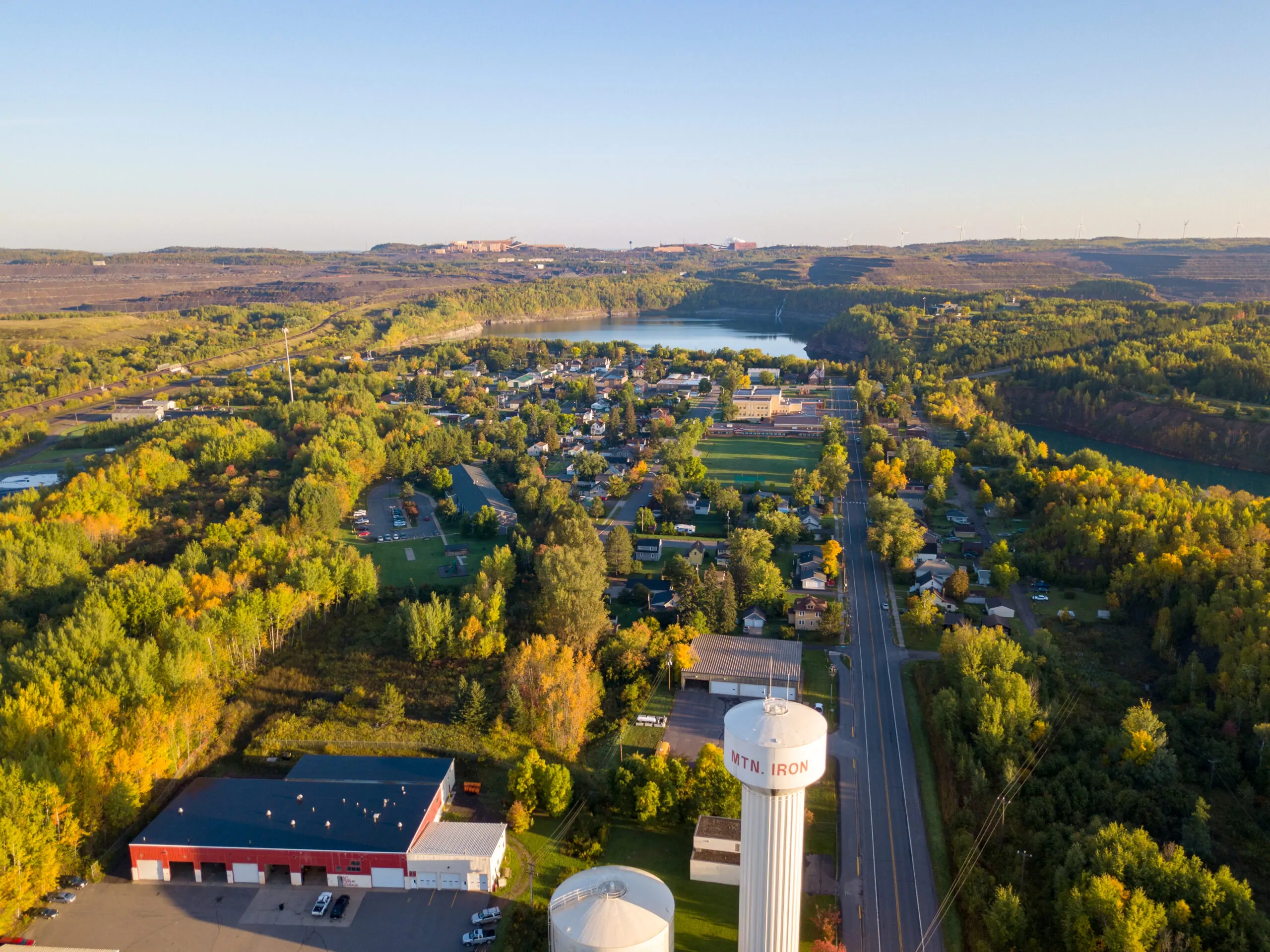
Through the Civilio platform, we’ll be tracking: Virginia City Council, Rock Ridge School Board, Eveleth City Council, Mountain Iron City Council, Aurora City Council, Biwabik City Council, Hoyt Lakes City Council and Hibbing City Council.
READ: Iron Range Today’s AI Policy
The other way we are going to do this is through a recurring segment called Range Facts, which will serve as a running record of local government activity from levy discussions and personnel changes to policy debates, contracts and committee reports.
If the name rings a bell, it should. It pays tribute to an earlier Iron Range newspaper published in Aurora. While this feature is entirely new, it shares the same goal of collecting the everyday decisions, announcements and developments that shape communities across the Range.
All in the form of briefs from these meetings.
Not every discussion requires a 1,000-word article. Some decisions simply deserve to be documented and explained beyond the meeting agenda and meeting minutes.
We won’t cover every agenda item, but we do want readers to know that someone is paying attention.
With all this said, I think if local journalism serves a purpose it’s this: To make sure the people who pay for government have an easier time understanding it.
The more people understand it, the more involved they will be and the more likely they are to seek an elected role or join a committee, or simply just show up to ask questions.
That’s why you’ll be seeing more local government coverage from Iron Range Today in the weeks and months ahead.
And if you feel the need to support Iron Range Today, please do so. We are a registered 501c3 nonprofit. Contributions to Iron Range Today are tax deductible. Our tax ID number is 33-1580539. Donations made by check can be made out to Iron Range Today and mailed to us at PO Box 544, Biwabik, MN 55708.