Cleveland-Cliffs saw what company officials described as a positive trend to open 2026 with more steel orders on the books, but no hint at a timeline for the idled Minorca Mine.
Cliffs CEO Lourenco Goncalves said Monday that automotive manufacturers have started to ramp up production using domestic steel, and global factors alongside tariffs are pushing them away from aluminum.
“In my long career in this business, I have never seen so much momentum in substituting aluminum with steel,” he said on the company’s first quarter investors call. “The fact that the clients are a lot less excited about cost then they are seeing the beauty of reliability, quality, the material that they can count on, and things like that. It’s back to basics.”
Goncalves said the markers for a strong domestic steel market are present, and trade enforcement has steel imports at their lowest point since 2009.
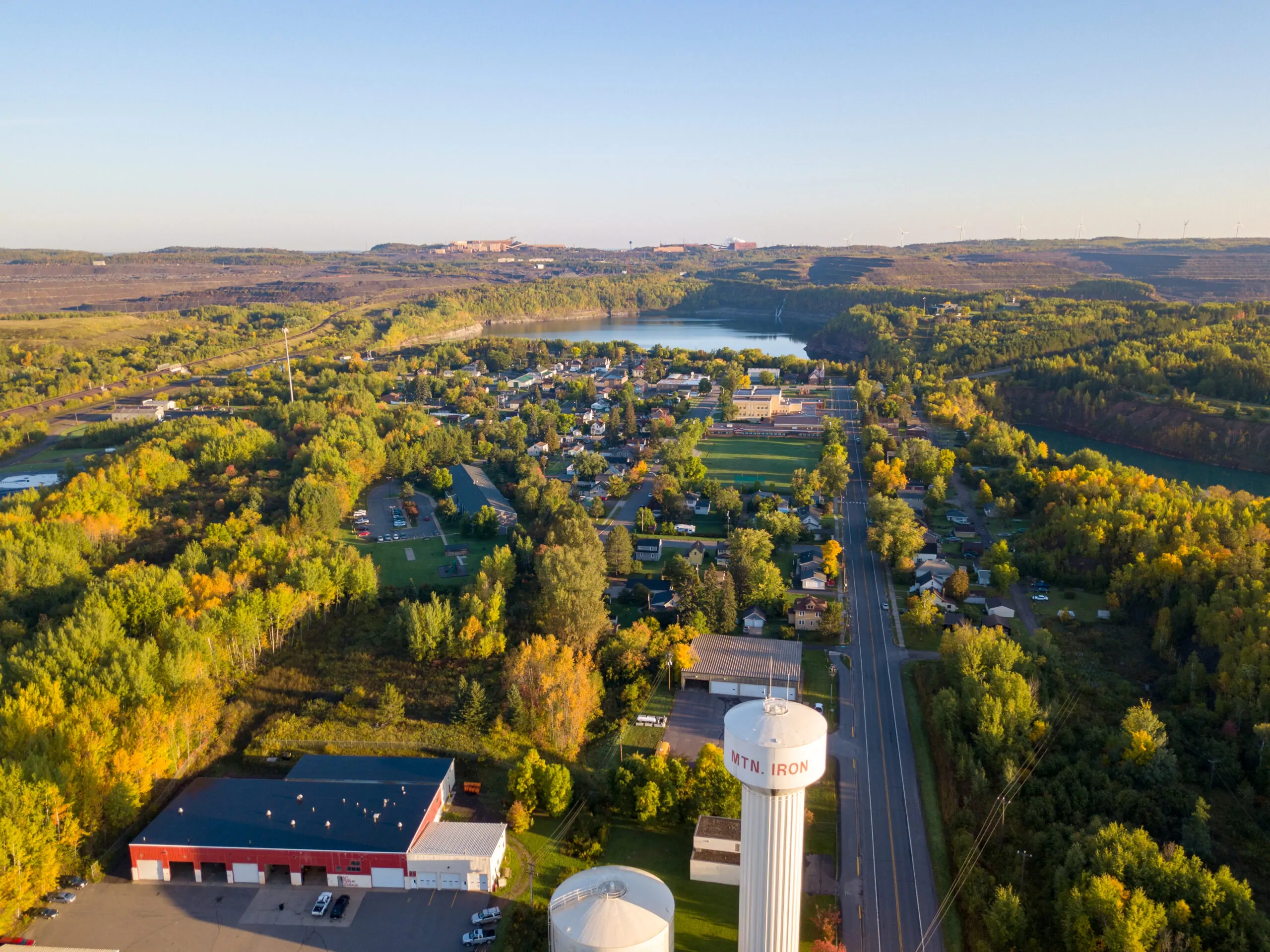
Cliffs cited market conditions and a large stockpile of pellets when it idled Minorca Mine and slowed production at Hibbing Taconite last year. Several other facilities owned by the company were also idled across the U.S.
Yet there are pressure points for the mining side.
Even as domestic steel was strengthened by Section 232 tariffs and disrupted shipping lanes due to the war with Iran, energy costs have impacted the price per ton.
Celso Goncalves, chief financial officer at Cliffs, said the company spends about $50 million annually on diesel fuel for its mining operations, adding about $6 per ton, and 20% of its natural gas usage is at the mines.
Still, Lourenco said, the aluminum-to-steel swap from automotive companies is a meaningful change that is being coupled with Cliffs slimming down its operations. The first quarter of 2026 was improvement from the end of 2025, and the company expects more positive news as the year progresses.
“This company spent the last couple of years fixing what needed to be fixed. That work is largely behind us,” he said. “The footprint has been right-sized, and we finally have the platform to perform and deliver.”
Cliffs and the United Steelworkers, the union representing all mines on the Iron Range, have engaged on new labor contract talks in recent months.
Current contracts are set to expire Sept. 1.
“This process represents a meaningful opportunity for both Cleveland-Cliffs’ management team and our union workforce to demonstrate the depth and strength of our partnership,” Lourenco Goncalves said. “And we will not disappoint anyone.”
News and notes
• Goncalves said talks with South Korean steelmaker POSCO are continuing but Cliffs is “a lot less in a hurry now.” He cited the improved steel market in the U.S. and the changed dynamics for Asian countries due to the Middle East conflicts. The companies signed a memorandum of understanding last year that could have infused $700 million of cash into Cliffs, but nothing has been finalized. “We’re still engaged, we’re still talking, we still like each other, we still want a deal,” Goncalves added. In March, a POSCO filing suggested more details would come in September 2026.
• Cliffs is no longer looking to sell its Toledo, Ohio HBI facility, which was spurned on by the POSCO talks. Goncalves said the facility is helping produce steel for both blast furnaces and electric-arc furnaces. It doesn’t mean a sale is totally off the table, but just for now. Cliffs is in various stages of selling eight idle properties for a total for $425 million, spread throughout the next year.
• Last October, the company announced it would begin exploring rare earth minerals at two mines in Minnesota and Michigan. Goncalves said Cliffs is continuing that effort, but in the end it will come down to the cost of refinement, which he called “limited” in the U.S. “Refinement is capital intensive and not something we intend to pursue ourselves. If and when viable domestic refinement infrastructure becomes available, either through government-supported projects or third-party investments, we see ourselves well-positioned to take advantage of the opportunity.”